If you’ve ever noticed an extra claw on the inside of your cat’s front leg, you’ve discovered the cat dew claw. While it may look oddly placed and unusual compared to your cat’s other nails, the dew claw is a normal and highly useful part of the feline anatomy.
Why is it called a dew claw?
The cat dew claw derives its name from its unique position on the leg. This small, rudimentary toe is located higher than the other toes and typically does not touch the ground during normal walking. Instead, it brushes against the dew on grass blades, which is thought to be the origin of its name. The term has been in use since the 1570s, although the exact etymology of “dew” remains unclear.
What is it?
Essentially, the cat dew claw acts like their thumb. There is one on each front leg (though rare, if your cat is polydactyl, there may be two). Front dew claws are attached to bone and muscle, making them fully functional claws.
Why do cats have dew claws?
Despite not touching the ground during normal walking, dew claws play an important role in a cat’s daily life such as:
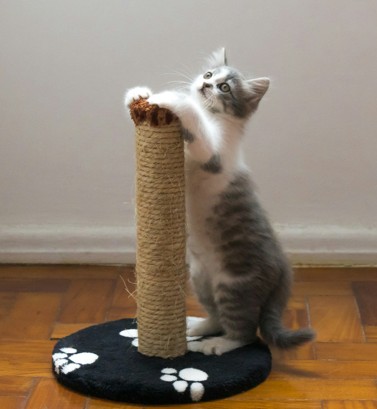
- When climbing or using scratching posts (or if they spend time outside, they may climb trees), dew claws provide extra grip and stability.
- It also helps them hold on to toys while playing (or prey if they’re outside). If you’ve ever seen your cat clutch their favorite toy while kicking it with their back legs, you’ll see them use their dew claw to hold it.
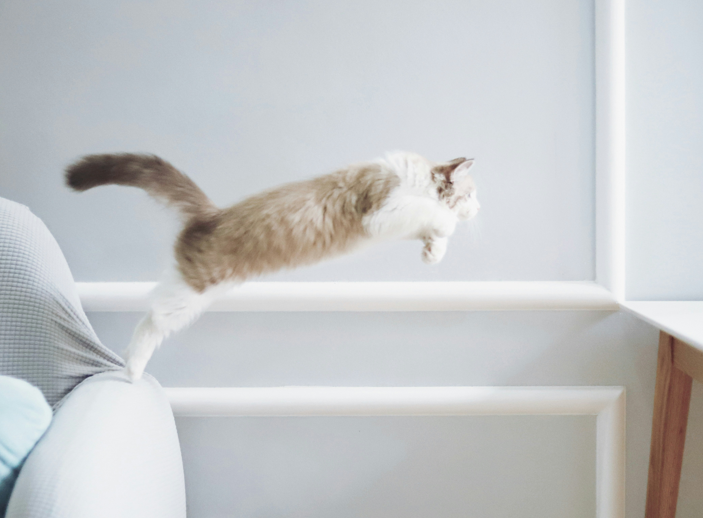
- The dew claw also provides additional traction when making sharp turns while running (having a ‘zoomies’ episode) or jumping and contributes greatly to a cat’s remarkable agility.
Common dew claw problems
By far, the most common issue with dew claws is that it can become overgrown. This is because they don’t touch the ground and therefore don’t wear down like a cat’s other nails. If neglected, the claw can curl back toward the paw and grow into the skin. This can not only become painful to your cat, but it can also inhibit their ability to walk properly, and it can become infected.
The dew claw can also tear or break. Because of its location, it can easily snag on blankets, clothing, carpeting, or other soft materials.
Indoor cats are especially prone to dew claw problems as they have fewer opportunities to naturally wear down their nails.
Tips for healthy cat nail care
- Scratching posts – have at least one scratching post available for them. I recommend one be vertical and the other be horizontal.
- Long toys they can ‘bunny kick’ – these help them use all their nails to hold onto their toy.
- Senior cat dew claw issues – senior cats’ nails can become thick and require extra attention as they tend to slow down their use of scratching posts as they get older.
Final Thoughts
Though small and mostly hidden, it’s good practice to check all of your cat’s nails regularly. It plays a significant role in your cat’s overall mobility, climbing, playing, and overall paw and nail health.
My cat nail trim clients are typically on a 4–6-week schedule. Younger cats and senior cats usually require more frequent trims.
Keeping their nails properly trimmed ensures your fur baby stays comfortable, pain-free, active, happy, and ready for any playful adventure.
Want to help your cat keep their claws healthy? You can find scratching posts, cat toys and more in our online store!