Beginning today, Philadelphia will experience an extreme heat warning. And this is probably just the first one of the summer.
We know how to keep ourselves safe and cool, but do you know that severe heatwave can also negatively impact your cat?
When temperatures soar, it’s not just people who feel the heat. Hot weather can be dangerous for cats too. While cats are known for finding sunny spots to nap, extreme heat can put them at risk of dehydration, heat exhaustion, and even heatstroke. Whether your cat spends time indoors, outdoors, or some of both, taking a few simple precautions can make a big difference.
Cats are generally good at finding cool places to rest, but they can still develop heat stress or heatstroke during a heatwave—especially kittens, senior cats, overweight cats, flat-faced breeds, and cats with underlying health conditions.
Here are 8 practical ways to help keep your cat safe in a heatwave:
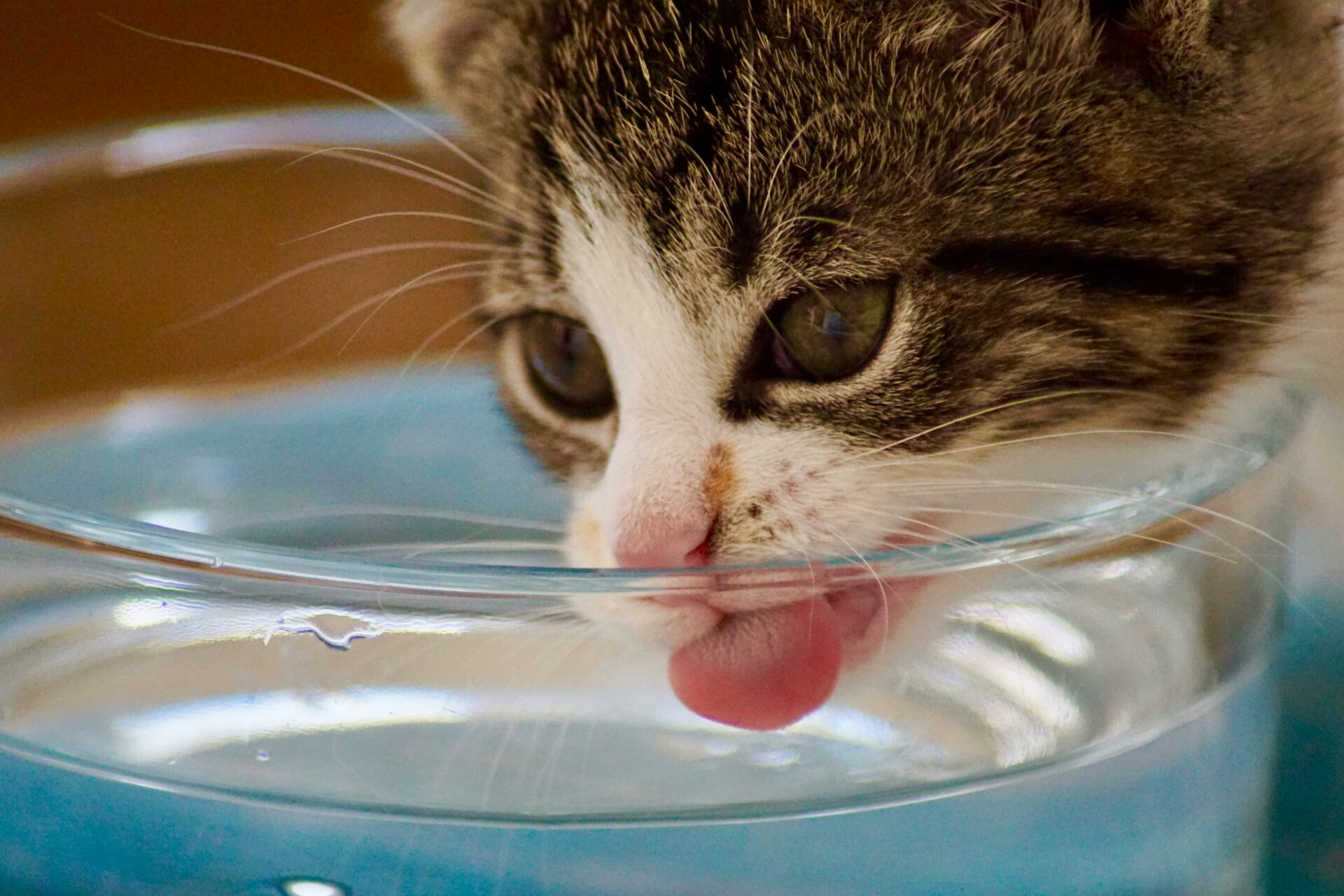
- Provide plenty of fresh water. Put water bowls in several locations around your home and refill them often with cool (not ice-cold) water. Some cats drink more from a pet fountain.
- Keep your home cool. Close blinds or curtains during the hottest part of the day, use fans or air conditioning if available, and encourage your cat to rest in the coolest rooms.
- Offer cool resting spots. Tile floors, cooling mats designed for pets, or a damp towel laid on the floor can help. Make sure your cat can choose whether to use them.
- Avoid the hottest hours. If your cat goes outdoors, keep them inside during peak heat (typically late morning through late afternoon) and let them out only during cooler times if it’s safe to do so.
- Never leave your cat in a parked car. Temperatures inside can become life-threatening within minutes, even with windows cracked.
- Brush regularly. Removing excess loose fur can help improve airflow through the coat. Avoid shaving your cat unless a veterinarian specifically recommends it, as their coat also helps protect against sun and heat.
- Encourage eating and drinking. Wet food can contribute to hydration, and you can ask your veterinarian whether increasing wet food is appropriate for your cat.
- Keep exercise minimal. Most cats naturally slow down in hot weather, but avoid encouraging vigorous play during the hottest parts of the day.
Seek veterinary care immediately if your cat shows heat stroke signs such as:
- Rapid or difficult breathing
- Panting (uncommon in cats and often a warning sign)
- Drooling
- Bright red or very pale gums
- Lethargy or weakness
- Vomiting or diarrhea
- Confusion, stumbling, or collapse
If you think your cat is showing signs of heatstroke during a heatwave, the American Red Cross Pet First Aid’s guidelines advise you take the following steps:
- Get your cat out of direct heat immediately
- Take their temperature – if it’s 104 or above it is an emergency
- Spray them with cool water
- Place cool, water-soaked towels on them
- Take them to a veterinarian immediately
With access to shade, water, and a cool place to rest, most healthy cats can stay comfortable even during very hot weather. The key is recognizing early signs of heat stress and acting quickly if they appear.